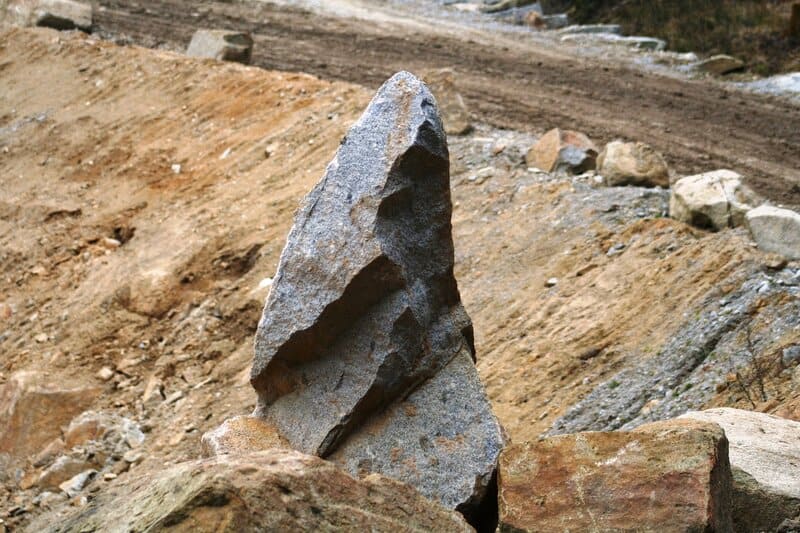
What Is the Ideal Thickness for Stone Cladding?

One of the most common questions asked when specifying natural stone cladding is: “What is the ideal thickness?” The answer is not always straight forward. How thick stone cladding is influences far more than just weight. It affects: At AUSSIETECTURE, we regularly work with architects, builders, and installers to determine the most appropriate stone cladding…

Read More
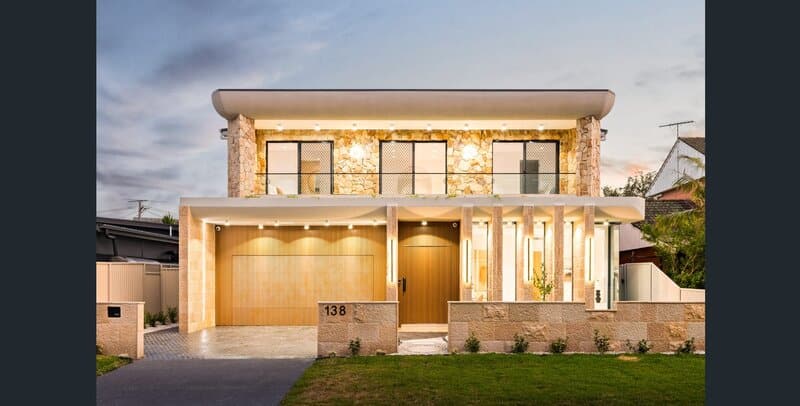
Crazy Paving — Why Imperfection Creates Better Design

For decades, architecture chased perfection. Perfect lines.Perfect repetition.Perfect symmetry. But increasingly, architects and designers are rediscovering something far more powerful: imperfection. And few materials express this better than crazy paving. At AUSSIETECTURE, we’ve seen a major resurgence in crazy paving across luxury homes, landscape architecture, hospitality projects, and contemporary outdoor spaces. Not because it feels…

Read More

What Causes Stone Delamination?

Natural stone is often associated with permanence, strength, and longevity. Some stone buildings have survived for centuries. So when stone begins: many people are understandably shocked. This process is commonly referred to as: stone delamination. At AUSSIETURE, we regularly assess projects where stone deterioration is incorrectly blamed solely on the material itself, when in reality…

Read More

Tight Joints vs Open Joints — Which Looks Better?

One of the most debated topics in natural stone installation is joint spacing. Should stone be laid with: The answer is not as simple as choosing whichever looks more modern. Because grout joints are not only aesthetic, they also influence: At AUSSIETECTURE, we regularly work with architects, designers, and builders navigating this exact decision. And…

Read More

The Rise of Textured Stone in Luxury Homes

Luxury architecture is evolving. For years, high-end homes were dominated by ultra-polished finishes, perfectly flat surfaces, and highly controlled minimalism. But today, many architects and designers are moving in a different direction. Texture is returning to luxury design. And at the centre of this shift is natural stone. Across contemporary homes, architects are increasingly specifying…

Read More

How Australian Stone Quarries Create More Authentic Architectural Outcomes

In contemporary architecture, authenticity has become increasingly valuable. As projects move away from overly polished and manufactured finishes, architects and designers are searching for materials that feel: Natural stone continues to play a major role in this shift, but not all stone creates the same architectural outcome. The quarry itself — its geology, extraction methods,…

Read More

How Heavy Is Natural Stone Cladding Per m²?

One of the most important and often underestimated considerations when specifying natural stone cladding is weight. Architects, builders, engineers, and installers regularly ask: “How heavy is stone cladding per square metre?” The answer varies significantly depending on: At AUSSIETECTURE, we frequently work through these calculations during specification because stone weight directly influences: And while many…

Read More

Mechanical Fixing vs Adhesive Fixing for Stone Cladding

Natural stone cladding is one of the most visually powerful materials used in architecture. Its texture, depth, permanence, and connection to landscape make it a timeless choice across: But behind every successful stone installation is something many people never see: the fixing system. One of the most important decisions during specification is determining whether the…

Read More

Designing with Australian Stone in Contemporary Architecture

Contemporary architecture is often associated with clean lines, minimalist forms, expansive glazing, and refined material palettes. Yet despite the growing use of steel, concrete, and engineered finishes, one material continues to stand apart for its authenticity, permanence, and connection to place: Australian natural stone. Across residential, commercial, and civic architecture, Australian stone is increasingly being…

Read More

Why Architects Are Returning to Irregular Walling

For years, contemporary architecture leaned heavily toward precision. Clean lines. Modular formats. Tight joints. Perfect repetition. But across residential, landscape, and commercial architecture, a noticeable shift is taking place. Architects are increasingly returning to irregular walling. Not because it feels old-fashioned — but because it introduces something modern architecture often lacks: Character. At AUSSIETECTURE, we’ve…

Read More