
One of the most common questions asked when specifying natural stone cladding is:
“What is the ideal thickness?”
The answer is not always straight forward.
How thick stone cladding is influences far more than just weight. It affects:
- visual depth
- architectural character
- installation methods
- structural loading
- durability
- shadow lines
- edge definition
- long-term performance
At AUSSIETECTURE, we regularly work with architects, builders, and installers to determine the most appropriate stone cladding thickness for each project because the “ideal” thickness depends entirely on the desired outcome and application.
And while thinner stone has become increasingly common within the industry, thinner does not always mean better.
Stone Thickness Changes the Entire Appearance of a Wall
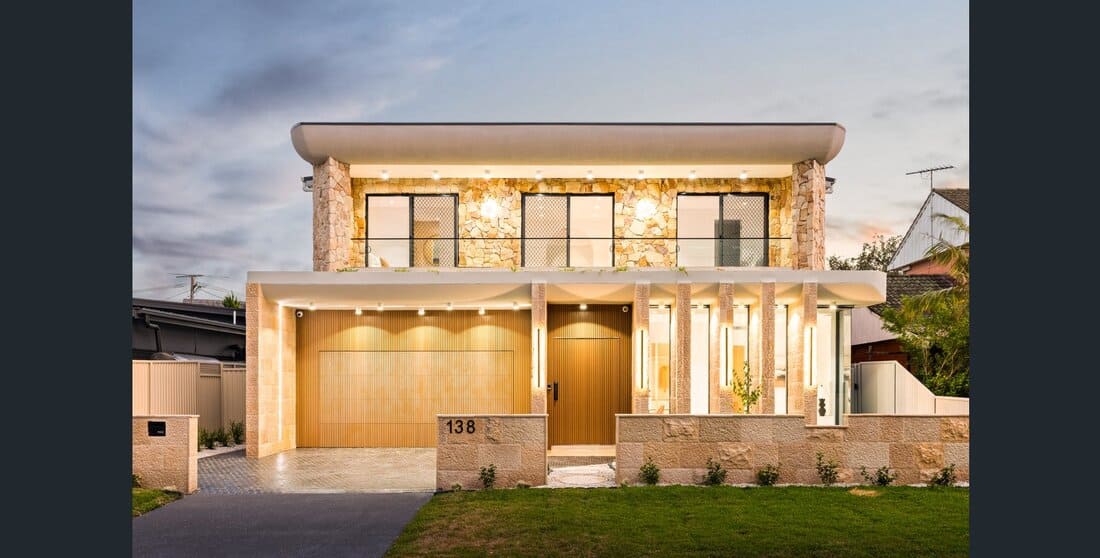
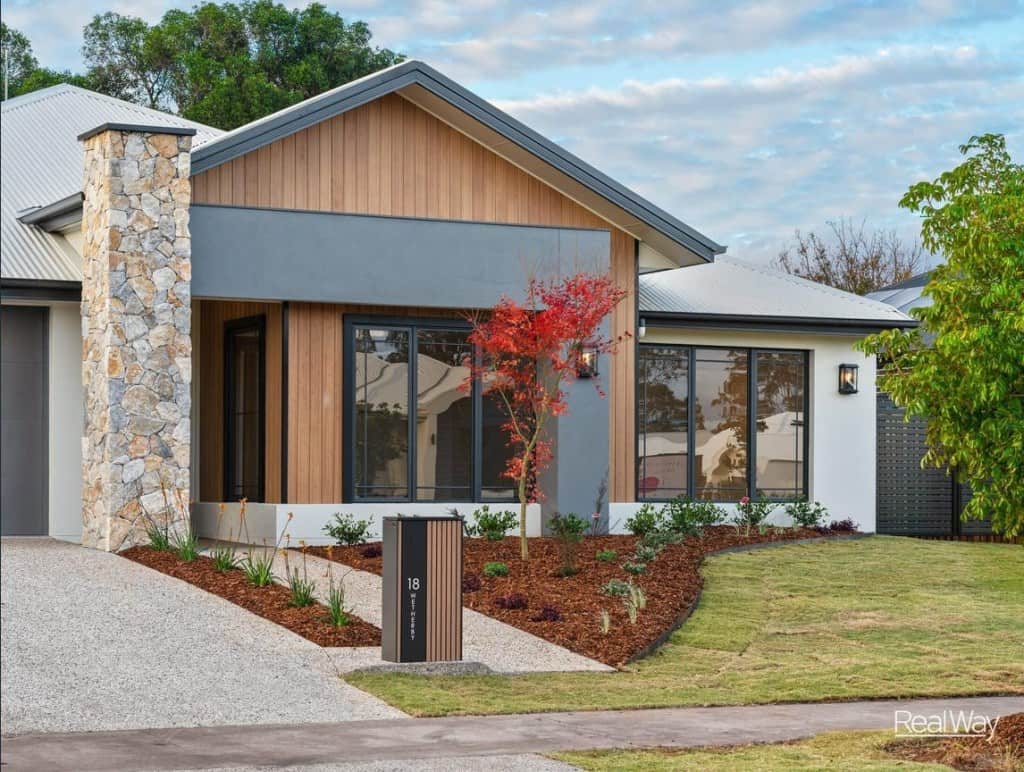
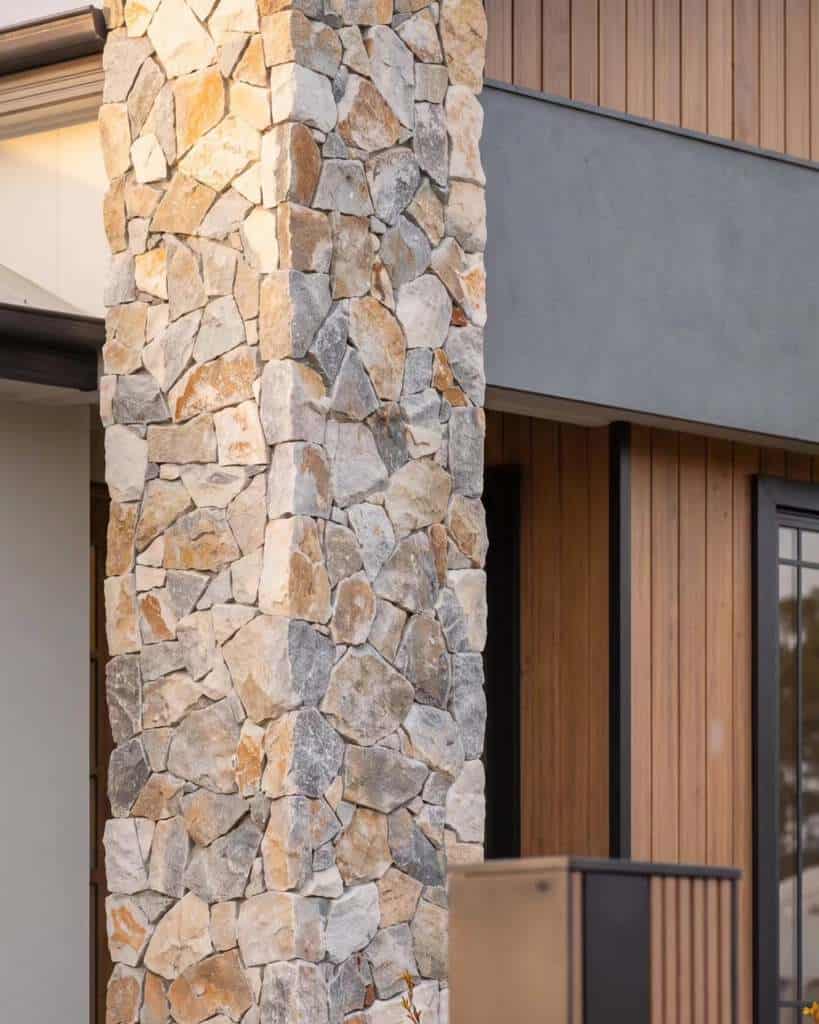
Stone cladding is not only about surface colour or texture. Thickness dramatically changes how stone visually interacts with light and shadow.
Thicker cladding generally creates:
- deeper shadow lines
- stronger edge definition
- greater textural depth
- a more solid appearance
- increased visual authenticity
This is particularly noticeable with:
- irregular walling
- split face stone
- rock faced profiles
- random ashlar layouts
- heavily textured materials
Thinner stone can sometimes appear visually flatter or more manufactured, especially across large architectural surfaces.
In many cases, the depth of the stone itself becomes part of the architectural language.
Thin Stone Became Popular for Practical Reasons
Over recent decades, thinner cladding systems became increasingly common due to:
- reduced freight costs
- easier handling
- lower wall loading
- faster installation
- reduced structural requirements
This led to widespread adoption of:
- 10mm
- 12mm
- 15mm
- 20mm
stone veneer systems.
For some applications, these systems perform extremely well.
Particularly:
- interior walling
- light weight facades
- decorative features
- retrofit projects
However, there is sometimes a misconception that thinner stone automatically represents superior design or engineering.
That is not always the case.
Thicker Stone Often Creates More Authentic Outcomes
Historically, natural stone architecture used substantial material thicknesses.
Traditional stone buildings carried:
- depth
- mass
- shadow
- solidity
- permanence
Many architects today are again embracing thicker stone because it restores some of this authenticity.
Thicker cladding profiles often feel:
- more grounded
- more architectural
- less artificial
- more timeless
This is particularly important within:
- luxury homes
- civic projects
- resort architecture
- landscape walls
- feature facades
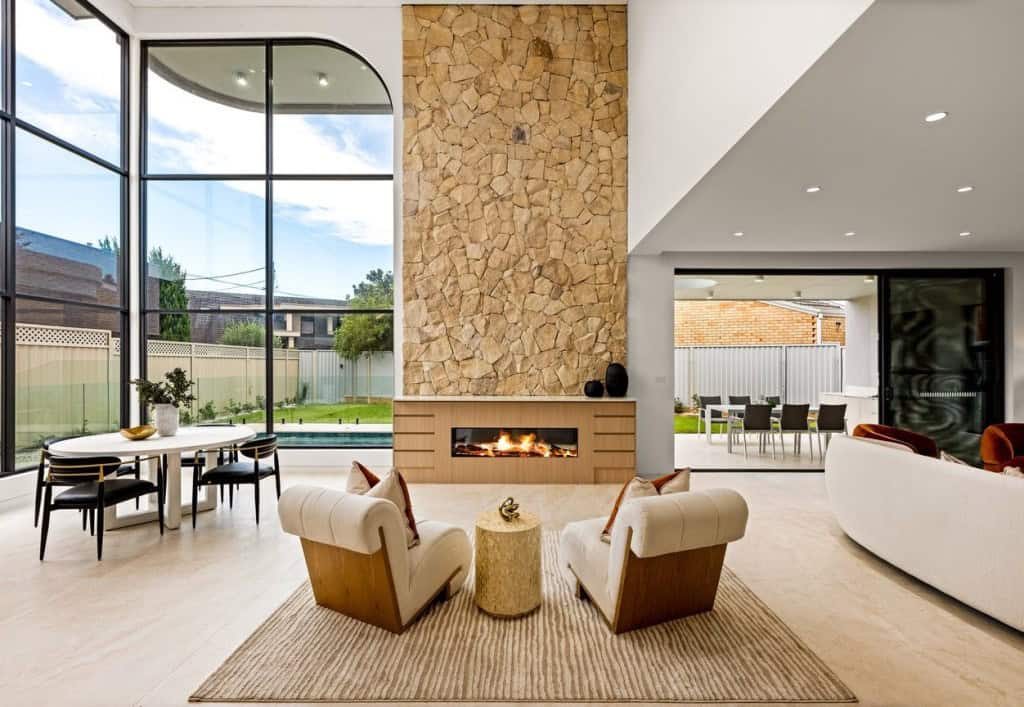
where materiality becomes a defining element of the design.
Common Stone Cladding Thicknesses
While every project differs, natural stone cladding generally falls within several common thickness categories.
Thin Veneer (10–20mm)
Typically used for:
- interiors
- light weight systems
- decorative applications
- low-load installations
Advantages:
- light weight
- easier handling
- lower freight costs
- faster installation
Considerations:
- reduced visual depth
- can feel flatter visually
- less suitable for heavily textured profiles
- may require very stable substrates
Mid-Weight Cladding (20–40mm)
Often considered the sweet spot for many projects.
Commonly used for:
- residential facades
- feature walls
- pool areas
- architectural landscaping
Advantages:
- stronger visual depth
- improved edge detail
- balanced weight to performance ratio
- broader texture possibilities
This range often provides a strong balance between:
- aesthetics
- practicality
- structural efficiency
Heavy Stone Cladding (40–80mm+)
Typically used for:
- irregular walling
- rock faced profiles
- civic projects
- luxury architecture
- large retaining features
- statement facades
Advantages:
- highly authentic appearance
- dramatic shadowing
- stronger texture
- increased visual permanence
Considerations:
- higher structural loads
- more complex installation
- mechanical fixing may become necessary
- increased freight and labour
However, many architects still prefer heavier profiles because the final result often feels substantially richer and more architectural.
Weight Matters — But So Does Design Intent
One of the biggest concerns with thicker stone is weight.
Natural stone cladding can range dramatically depending on:
- stone type
- density
- thickness
- fixing method
Some heavier cladding systems may exceed:
- 80 kg/m²
- 100 kg/m²
- or more
At these weights, considerations become critical regarding:
- substrate suitability
- structural engineering
- fixing systems
- mechanical restraints
- compliance requirements
However, reducing thickness solely to minimise weight can sometimes compromise the overall architectural outcome.
The goal should not simply be:
“How thin can we make it?”
Instead, the question should be:
“What thickness best suits the design intent, material character, and performance requirements?”
Thicker Stone Often Improves Texture
Certain stone finishes simply perform better at greater thicknesses.
This is especially true for:
- split-face cladding
- irregular walling
- heavily exfoliated surfaces
- random ashlar stone
- rough rockface textures
Thin stone can sometimes lose:
- natural depth
- edge shadowing
- textural variation
- visual softness
The stone may begin feeling more like a tile rather than genuine masonry.
Thicker profiles preserve much of the natural character that makes stone visually appealing in the first place.
Installation Methods Influence Thickness Selection
Stone thickness must always align with the installation method.
Factors include:
- adhesive capability
- substrate stability
- movement allowance
- mechanical fixing requirements
- wind loading
- moisture management
As thickness and weight increase, projects may require:
- engineered substrates
- mechanical anchors
- support systems
- cavity drainage
- advanced fixing methods
This is particularly important in:
- multi-storey projects
- coastal applications
- commercial facades
- public infrastructure
Proper specification is critical.
There Is No Universal “Perfect Thickness”
The ideal stone cladding thickness depends on balancing:
- architectural intent
- visual depth
- structural limitations
- budget
- installation method
- material type
- project scale
A minimalist interior feature wall may perform perfectly with thinner material.
A large luxury facade or civic wall may benefit enormously from heavier, deeper stone profiles.
Good specification is about understanding what the project is trying to achieve — not simply minimising thickness.
Authentic Stone Should Feel Like Stone
One of the reasons natural stone remains so desirable is because it carries:
- mass
- texture
- permanence
- depth
- natural irregularity
As the industry has moved toward increasingly thin materials, some projects have unintentionally lost part of this character.
In many cases, thicker stone helps restore the authenticity people subconsciously associate with genuine masonry architecture.
Because ultimately, natural stone should not merely look like stone.
It should feel like it too.
OUR RANGE →


