
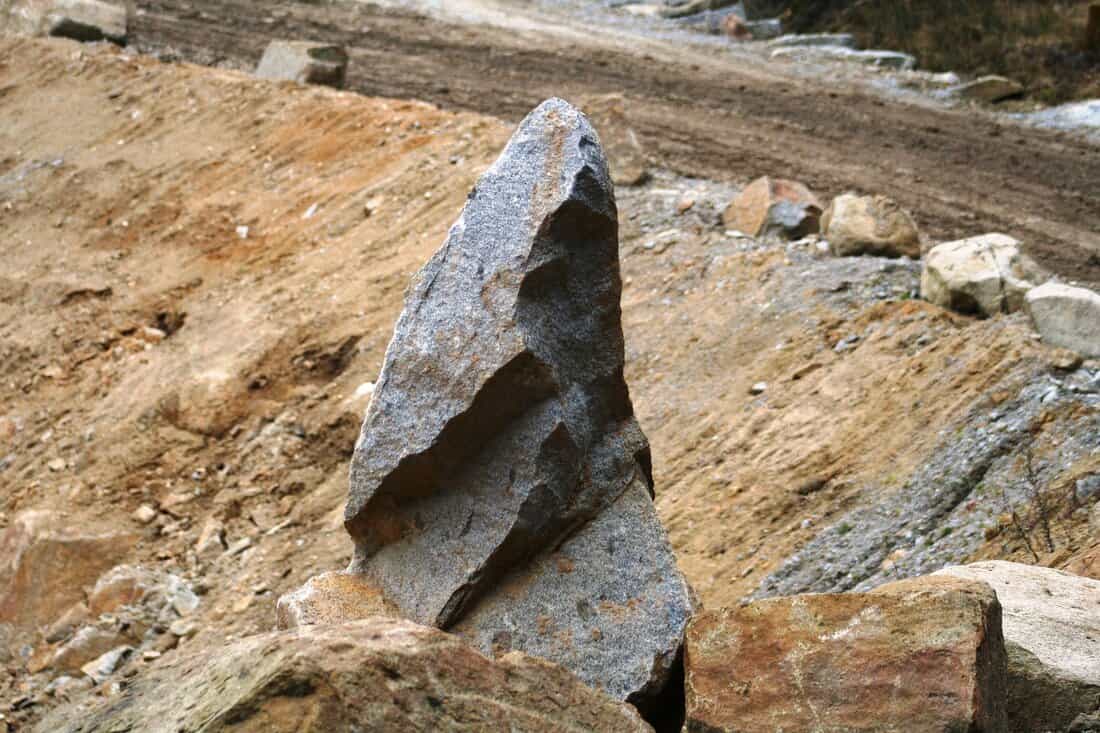

Natural stone is often associated with permanence, strength, and longevity.
Some stone buildings have survived for centuries. So when stone begins:
- separating
- flaking
- lifting
- cracking apart
- peeling in layers
many people are understandably shocked.
This process is commonly referred to as: stone delamination.
At AUSSIETURE, we regularly assess projects where stone deterioration is incorrectly blamed solely on the material itself, when in reality delamination is often the result of a much larger system failure involving:
- moisture
- installation methods
- movement
- structural stress
- poor substrate design
- incompatible products
Understanding what causes delamination is critical because once it begins, repairs can become difficult and expensive.
What Is Stone Delamination?
This may appear as:
- surface peeling
- stone layers flaking off
- sheets separating
- hollow sounding sections
- loose cladding
- fractured bedding planes
- lifting pieces
In severe cases, sections of stone may completely detach.
Delamination can occur:
- within the stone itself
- between adhesive layers
- between stone and substrate
- within composite backing systems
The underlying cause is almost always related to stress exceeding the system’s ability to cope.
Delamination occurs when layers within the stone begin separating from each other or detach from the substrate.
Moisture Is One of the Biggest Causes
Water is one of the primary contributors to stone delamination.
Natural stone is porous to varying degrees.
Moisture can enter through:
- grout joints
- cracks
- edges
- capillary movement
- failed sealants
- poorly detailed flashings
Problems begin when water becomes trapped within the system.
Repeated moisture cycling may contribute to:
- expansion pressure
- mineral breakdown
- adhesive weakening
- internal stress
- deterioration of bedding planes
Some stones are naturally layered materials formed over millions of years through sedimentary processes.
When moisture repeatedly penetrates these layers, separation can gradually occur.
Poor Drainage Creates Major Problems
Many stone failures are not caused by water entering the system — they are caused by water being unable to escape.
Poor drainage can leave stone assemblies permanently damp internally.
This may eventually contribute to:
- blackening
- salt migration
- adhesive breakdown
- corrosion
- freeze-thaw stress (in colder climates)
- internal separation
Good stone systems are designed to:
- drain
- ventilate
- relieve moisture pressure
- allow evaporation
Without this, long-term deterioration risk increases dramatically.
Incorrect Adhesive Selection Can Cause Failure
Not all adhesives are suitable for all natural stones.
Using incompatible adhesives may contribute to:
- poor bond strength
- trapped moisture
- curing issues
- excessive rigidity
- chemical incompatibility
Some adhesive failures may initially appear like stone failure itself.
In reality, the stone may still be structurally sound while the bonding layer deteriorates behind it.
This is particularly problematic in:
- external facades
- pool surrounds
- heavy cladding systems
- large-format stone
- waterproofed substrates
Proper system compatibility is critical.
Thermal Expansion Creates Internal Stress
Stone constantly expands and contracts through temperature changes.
Australia’s harsh climate creates enormous thermal stress due to:
- intense UV exposure
- rapid heating
- sudden cooling
- daily temperature cycling
If movement cannot be safely accommodated, stress may build within:
- the stone
- adhesive layers
- substrates
- fixing systems
Eventually, this pressure may contribute to:
- cracking
- lifting
- internal separation
- delamination
Large-format stone and tightly jointed installations are particularly vulnerable if movement is ignored.
Poor Installation Practices Increase Risk
Many delamination problems begin during installation itself.
Voids behind stone are especially dangerous because they can:
- collect moisture
- concentrate stress
- weaken support
- create pressure points
Natural stone installations require far greater attention to detail than many people realise.
Common issues include:
- inadequate adhesive coverage
- voids behind stone
- poor substrate preparation
- incorrect movement joints
- weak waterproofing design
- rushed installation
- contaminated bonding surfaces
Stone Thickness Matters
Very thin stone can sometimes become more vulnerable to stress-related failures depending on:
- stone type
- fixing method
- substrate movement
- thermal exposure
Meanwhile, very thick heavy stone introduces:
- increased dead loads
- greater structural stress
- more movement pressure
The correct thickness depends on:
- application
- environment
- fixing system
- engineering requirements
Stone should never simply be selected based on appearance alone.
Waterproofing Systems Can Contribute to Delamination
One of the most misunderstood causes of stone failure is incompatible waterproofing.
Certain waterproof membranes may:
- trap moisture
- inhibit vapour movement
- interfere with adhesive curing
- create unstable bonding conditions
When stone is installed directly over poorly designed waterproofed systems, moisture can remain trapped behind the stone for extended periods.
This prolonged saturation can eventually weaken:
- adhesive bonds
- stone integrity
- substrate stability
The wall assembly must work as one coordinated system.
Salt and Mineral Migration Can Damage Stone
In coastal or damp environments, salt movement through masonry can contribute to deterioration.
As moisture moves through stone:
- salts may crystallise
- pressure builds internally
- mineral breakdown occurs
Over time this may contribute to:
- surface spalling
- flaking
- separation
- internal fracturing
This is particularly relevant in:
- retaining walls
- coastal projects
- older masonry
- poorly drained systems
Structural Movement Cannot Be Ignored
Buildings constantly move.
Movement occurs through:
- settlement
- structural deflection
- thermal expansion
- vibration
- substrate shrinkage
If rigid stone systems cannot accommodate this movement, stress transfers directly into the cladding itself.
Over time, this may contribute to:
- cracking
- bond failure
- separation
- delamination
Movement joints and correct detailing are critical in natural stone systems.
Not All Stone Types Behave the Same
Different stones possess different:
- densities
- bedding structures
- mineral compositions
- absorption rates
- expansion characteristics
Some stones are naturally more layered and therefore more susceptible to splitting if improperly installed or exposed to prolonged moisture stress.
Proper specification should always consider:
- environment
- application
- exposure conditions
- fixing method
- stone suitability

Delamination Is Often a System Failure — Not Just a Stone Failure
One of the most important things to understand is:
stone delamination is rarely caused by one single issue.
Most failures involve a combination of:
- moisture
- movement
- poor detailing
- incompatible products
- installation shortcuts
- environmental stress
The visible stone problem is often simply the final symptom of a deeper underlying issue within the wall assembly itself.

Good Stone Systems Are Designed Holistically

Successful stone architecture requires far more than selecting a beautiful material.
Long-term performance depends on:
- proper drainage
- movement accommodation
- correct fixing systems
- compatible adhesives
- suitable substrates
- ventilation
- moisture management
When these elements are designed correctly, natural stone can last generations.
Because ultimately, stone itself is incredibly durable.
Most failures occur not because stone is weak — but because the system supporting it was never properly designed to handle the stresses placed upon it over time.
OUR RANGE →


