Is limestone better than travertine or vice versa? Which is better around salt, limestone or travertine? Is limestone less prone to staining?
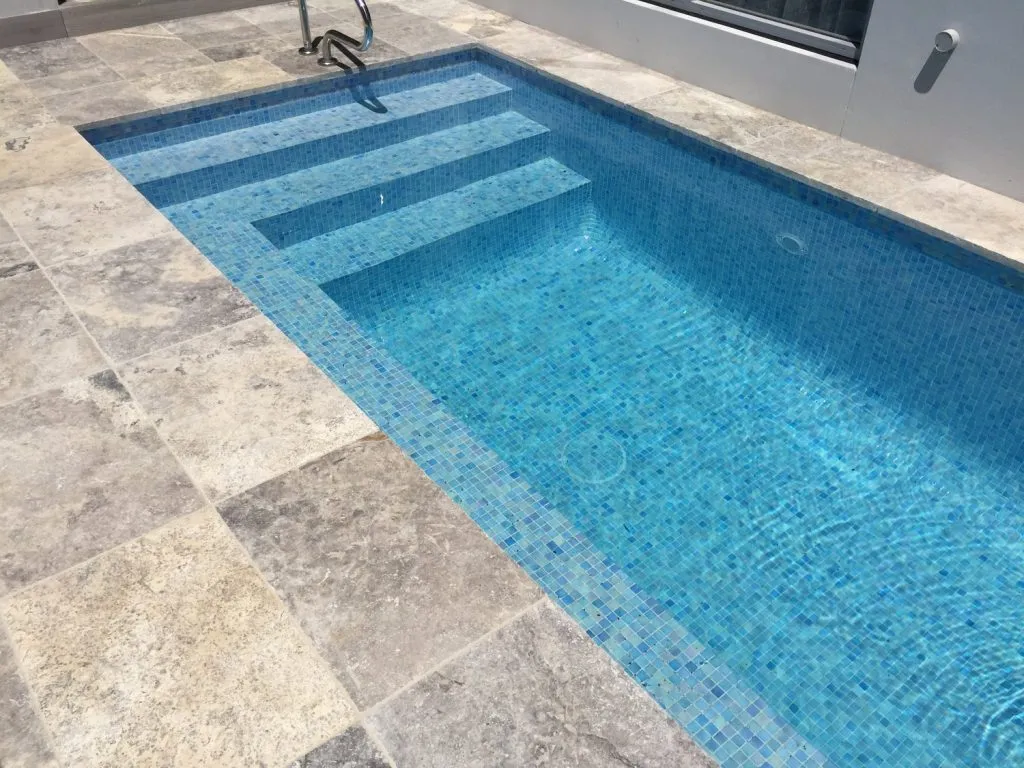
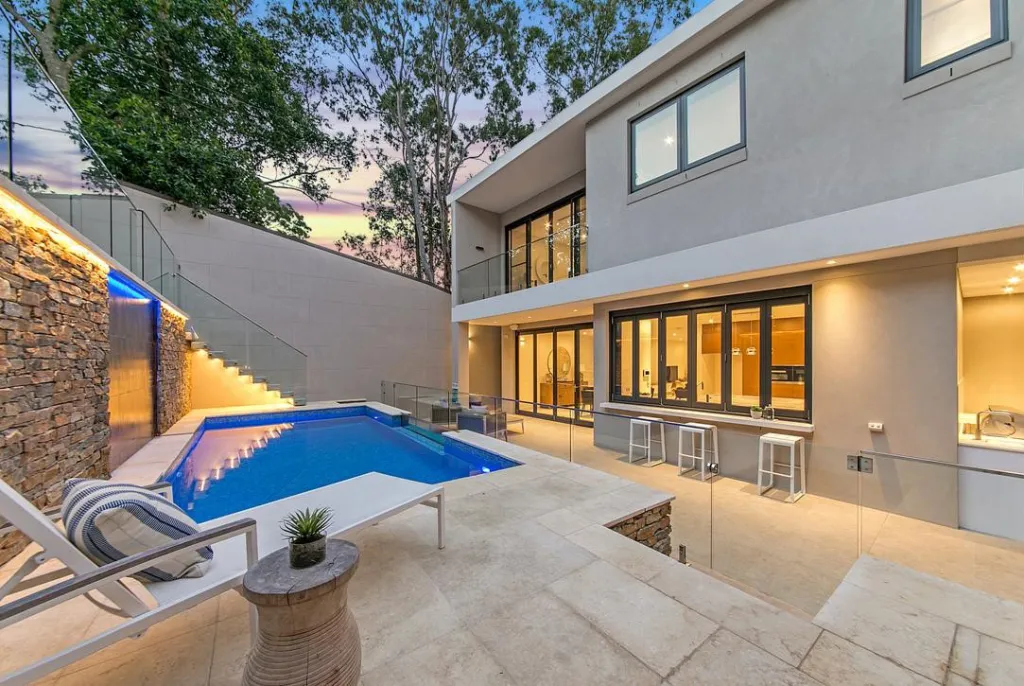
When properly sealed, they are both more than adequate and suitable materials to use around the pool.
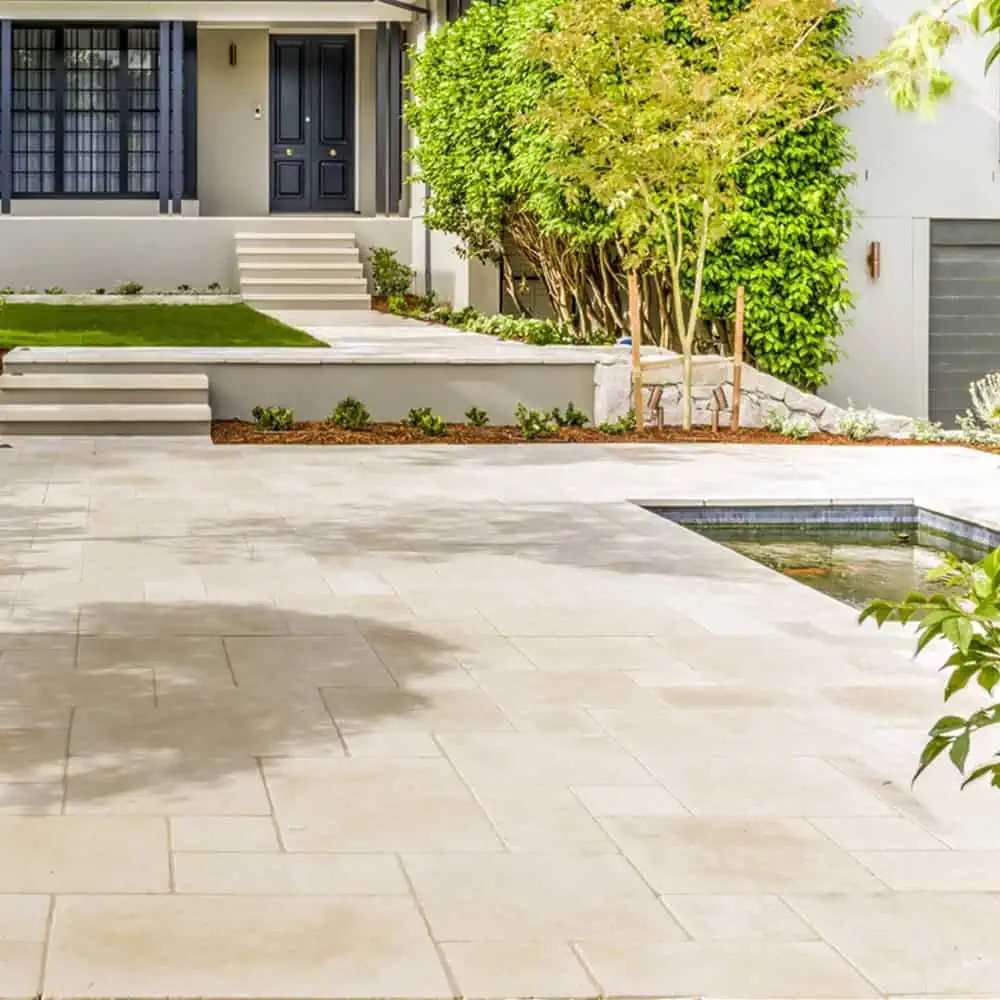
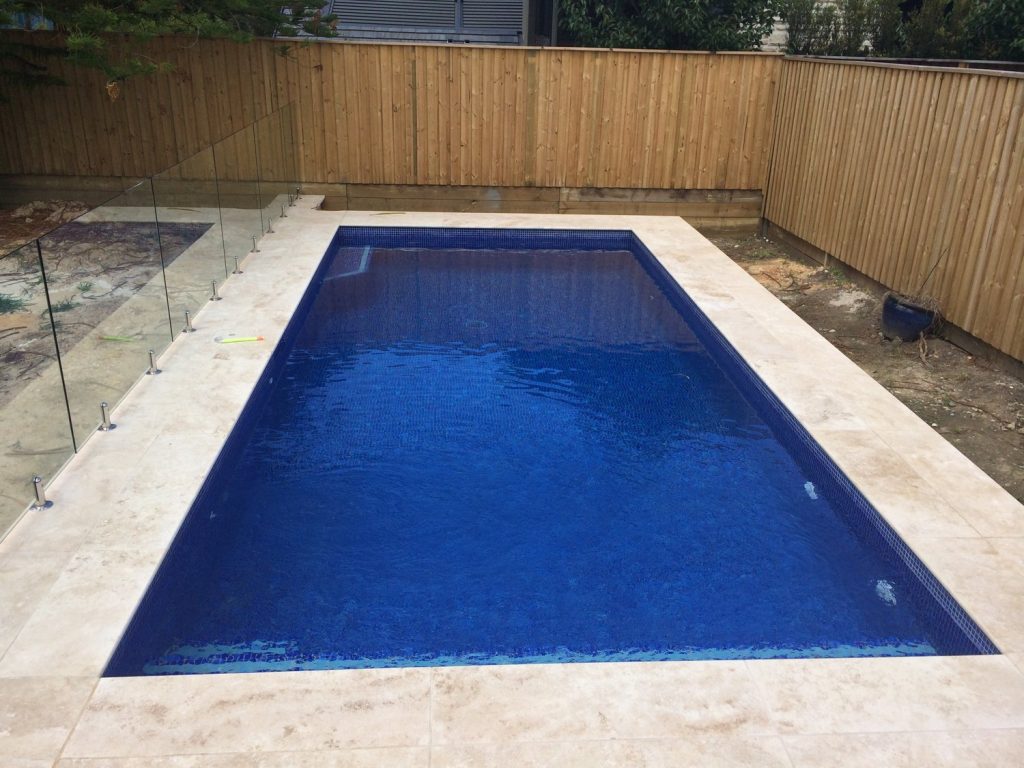
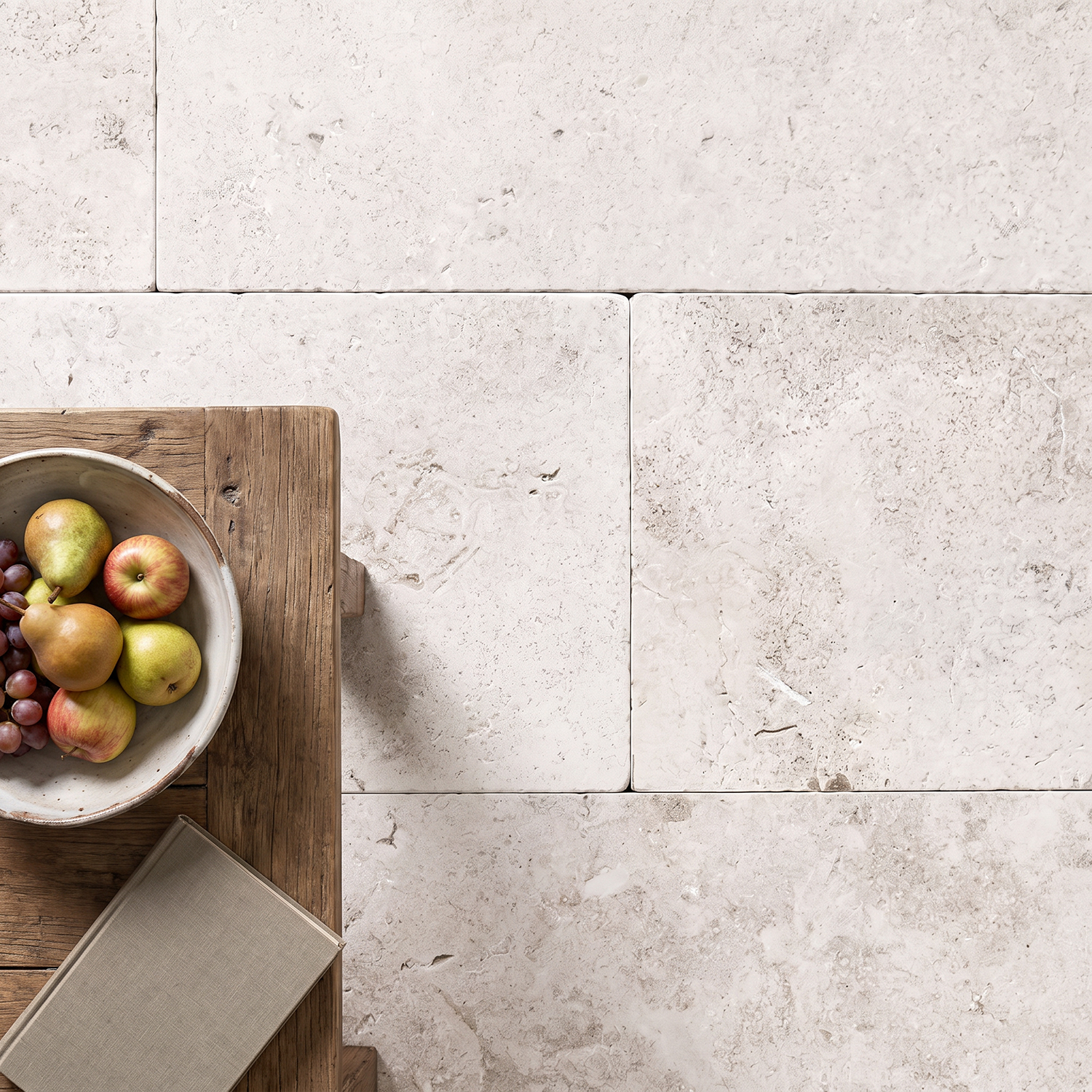
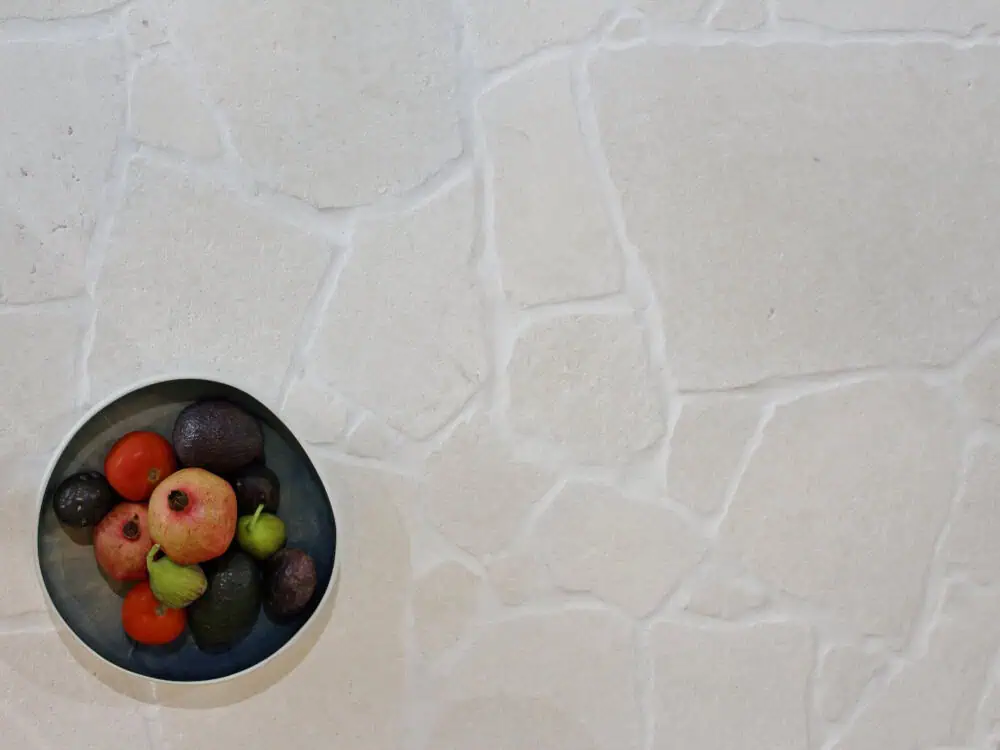
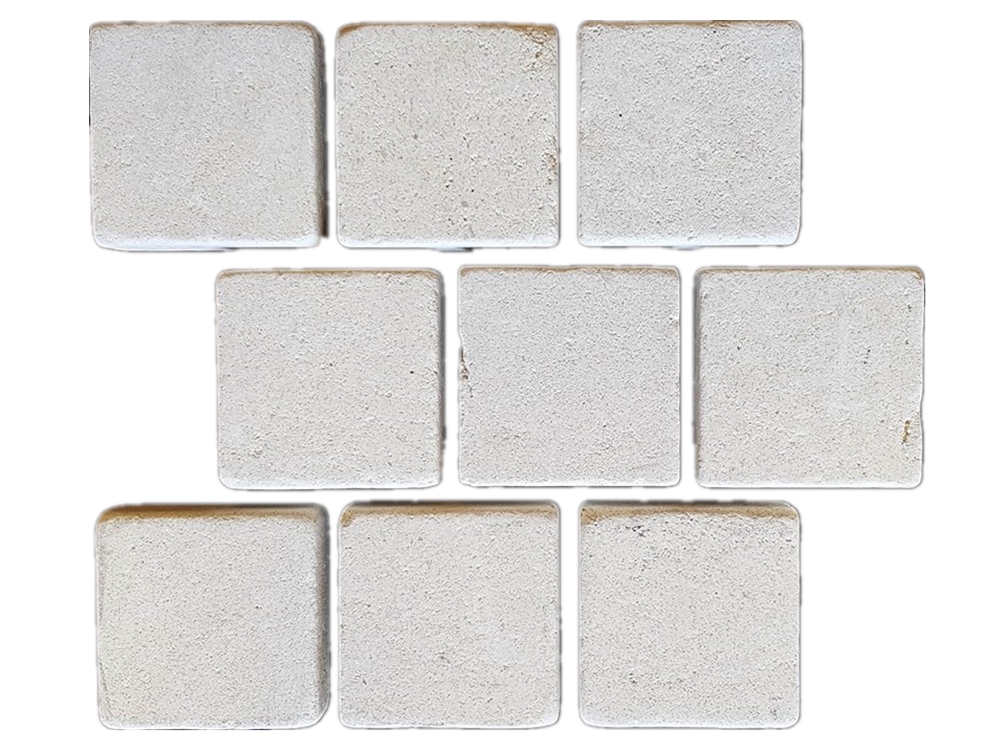
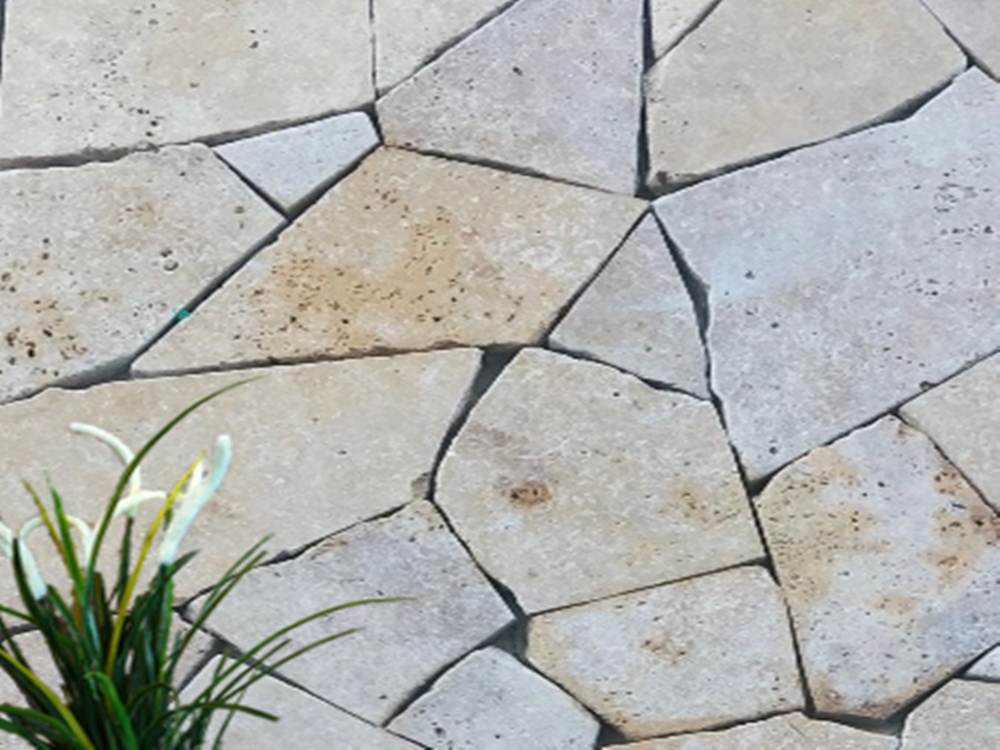
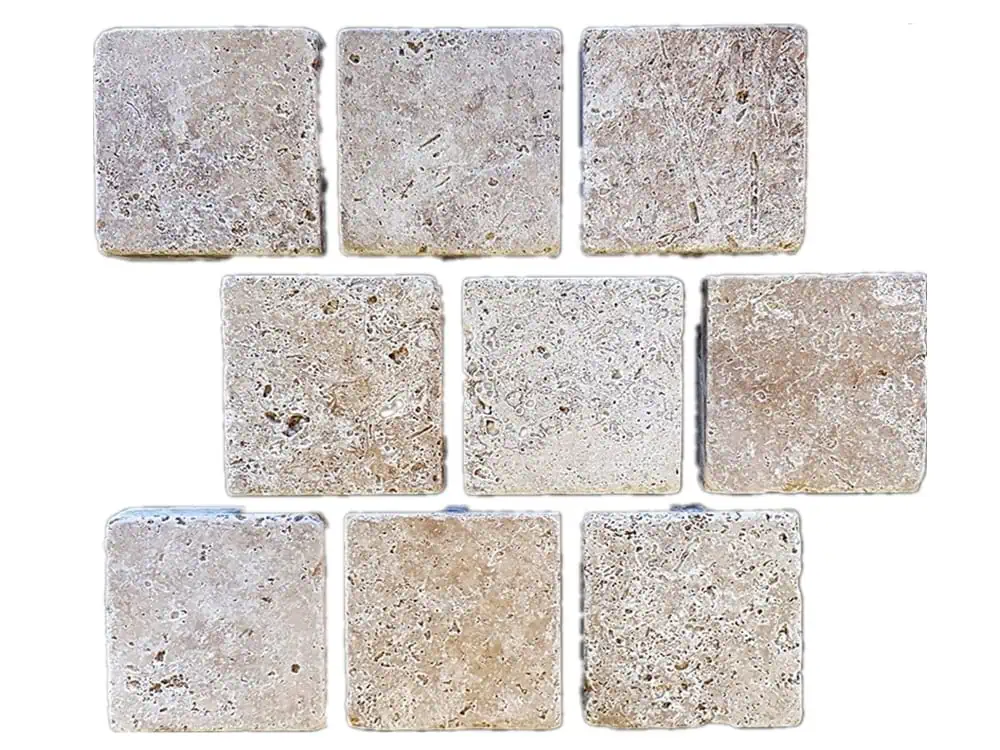
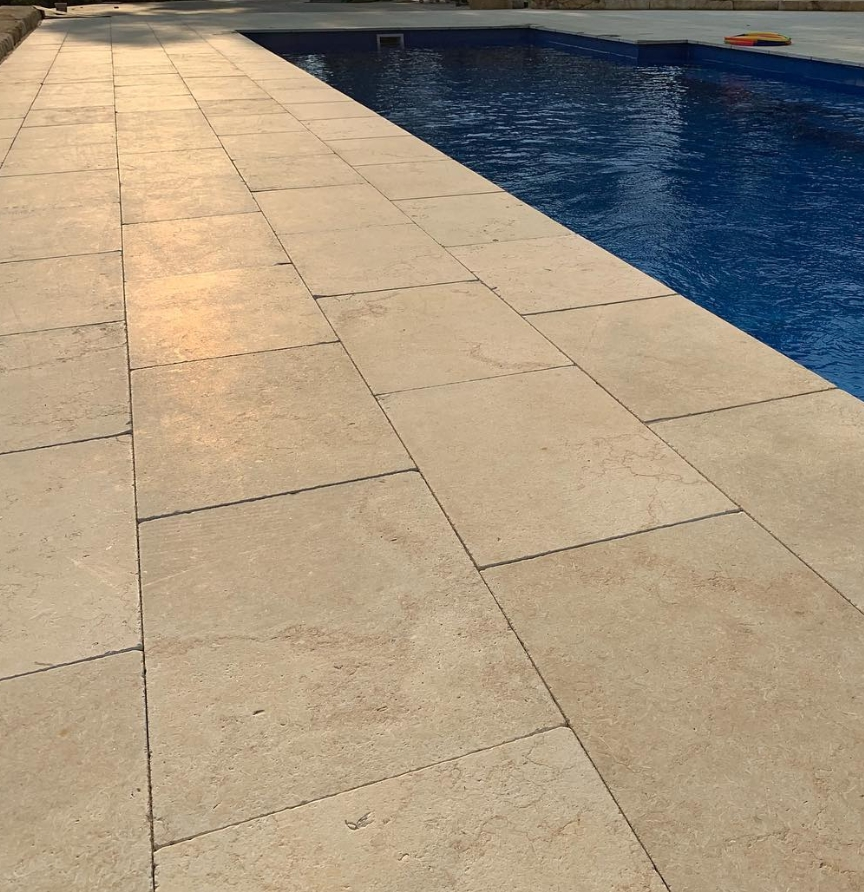
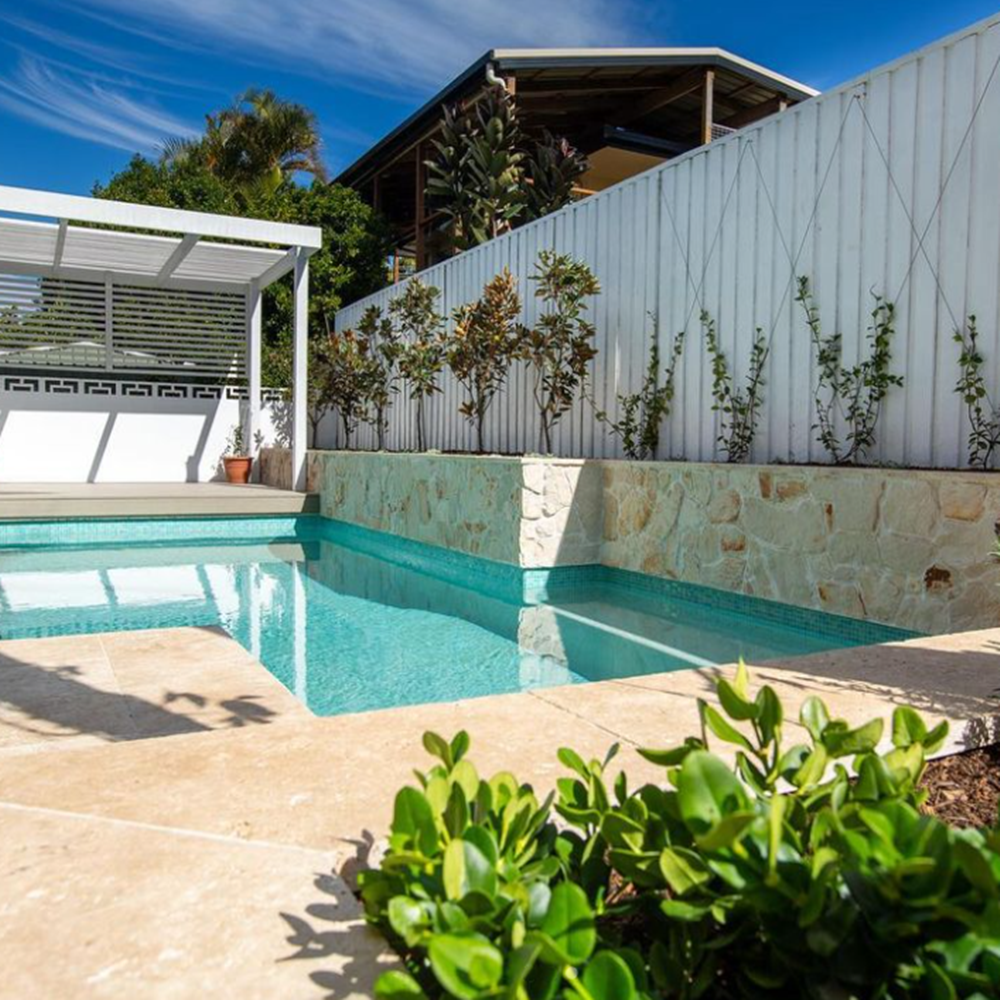
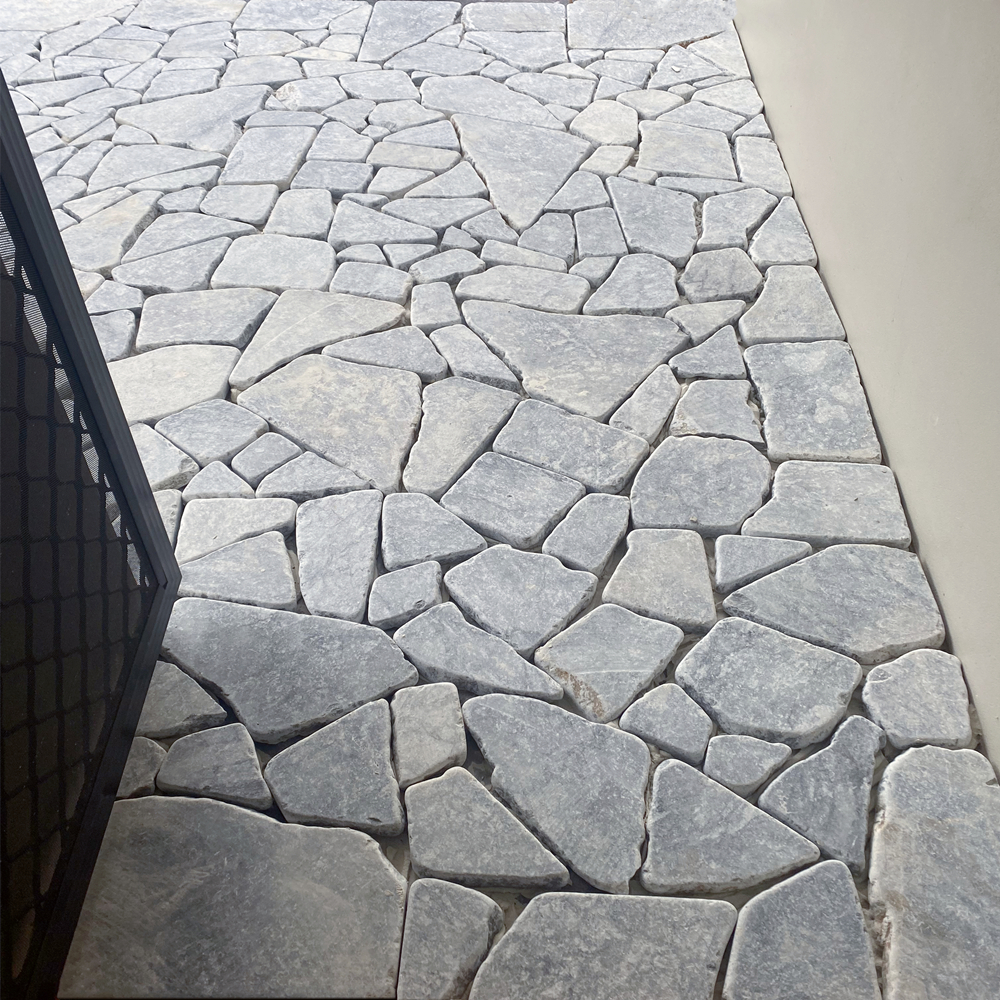
People highly prize white limestone for its homogenous light tones. Derby is our light limestone and is still one of our popular choices for around the pool. Subtle off-white tones and soft underfoot are just some traits which make this an appealing choice amongst our customers. It is compact and dense, and this is mainly due to the high number of fossils in its composition. There is the occasional furrowing on its surface which give this stone character also and at the same time, reminds you that it is a natural stone. Derby also comes in crazy paving format and cobblestones, which are also beautiful for pool surroundings.
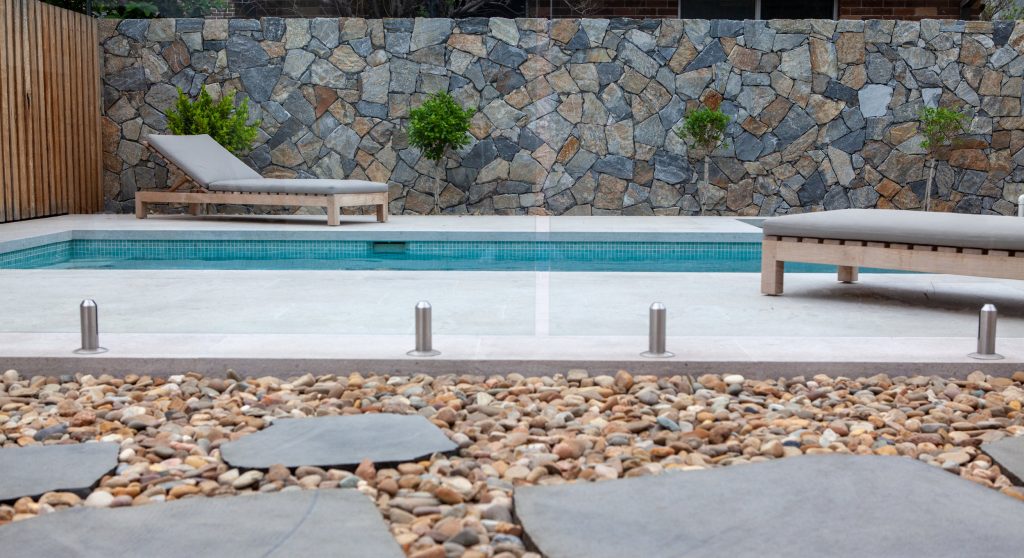
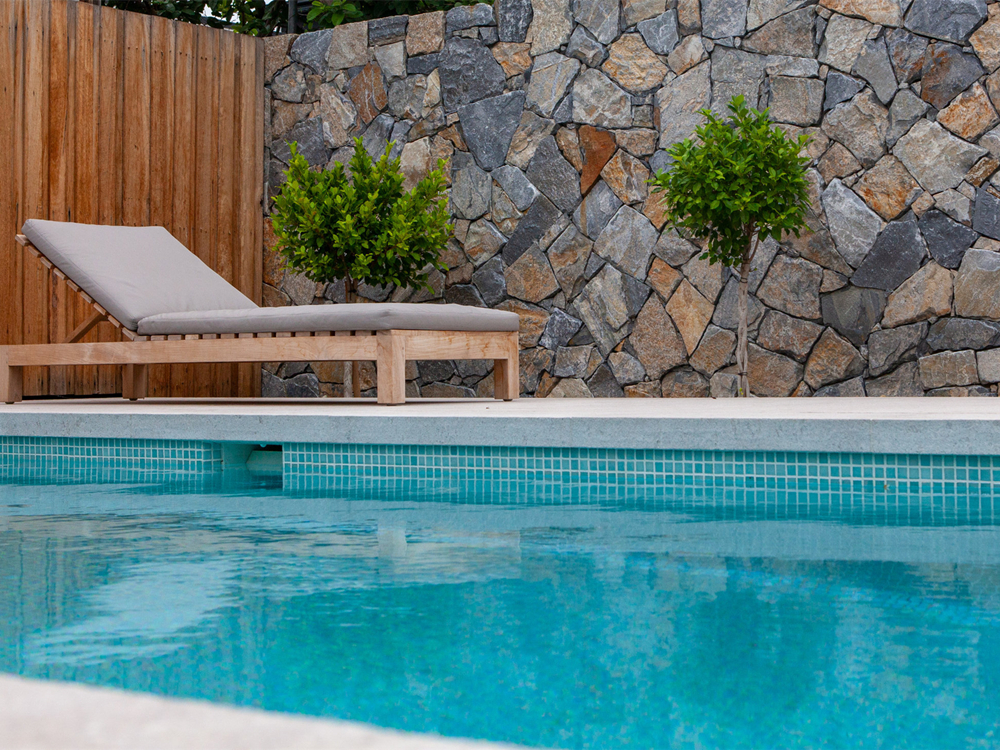
Grey limestones like our Mia Paver and Byron Limestones are great because they can offset a bluish tint which compliments and pairs attractively to the water in the pool. They can also resemble the concrete look with the addition of subtle textures, again to remind one of it being a natural stone.
In summary, limestone is a naturally occurring material and being a sedimentary rock that is made from a calcium bicarbonate composition. It is durable and impressively strong.